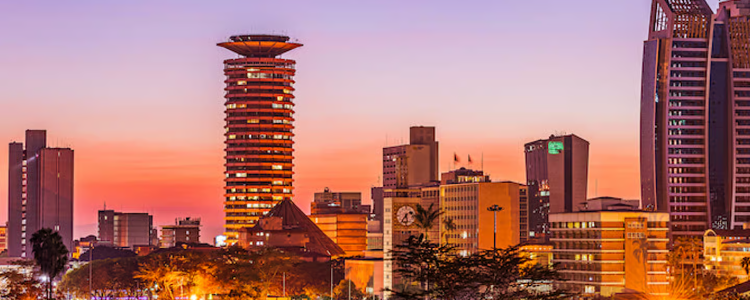
Short-term rentals have become a major part of Kenya’s accommodation market. Travelers today often choose furnished apartments instead of traditional hotels. Nairobi, Mombasa, Diani, Naivasha, and Nanyuki now host thousands of short-stay apartments listed on platforms like Airbnb and Booking.com.
For many property owners, this shift has created a new income stream. Some investors buy apartments purely for short-stay rentals. Others convert spare rooms or unused homes into guest accommodation.
If you are considering starting an Airbnb business in Kenya, the opportunity can be profitable. The results depend on location, setup quality, pricing, and how you manage the property.
Why Airbnb Works Well in Kenya
Tourism and business travel continue to drive demand for short-term accommodation. Kenya received more than two million international visitors in recent years, according to the Kenya Tourism Board.
https://ktb.go.ke/
Domestic travel has also grown. Many Kenyans now take weekend trips to places like Naivasha, Nanyuki, and the Coast. Business travelers visiting Nairobi also prefer furnished apartments for longer stays.
Short-stay apartments often attract guests because they offer:
- More space than hotel rooms
- Kitchen facilities for longer stays
- Privacy for families or business travelers
- Lower cost for extended bookings
These factors have made Airbnb a strong option for property investors.
Before starting, you need to understand what makes a short-term rental successful.
Understanding Legal and Regulatory Requirements
Running a short-stay rental also requires compliance with local regulations.
In Kenya, accommodation businesses may require licensing depending on the scale of operation. The Tourism Regulatory Authority (TRA) oversees tourism accommodation standards.
https://www.tourismauthority.go.ke/
- Proof of Premises Insurance Coverage: It’s vital to provide evidence of insurance coverage for your property. This ensures protection against unforeseen events and liabilities, giving both you and your guests peace of mind during their stay.
- Recent Health Clearance Certificate: A copy of the current health clearance certificate, issued within the last three months, is required. This certificate affirms that your property meets health and safety standards, ensuring a comfortable and safe environment for guests.
- Food Handlers’ Medical Certificate: If you provide food-related services, ensure you have the medical certificates of your food handlers. This certification underscores your commitment to maintaining hygienic and quality dining experiences for your guests.
- NEMA ‘No Objection’ Letter: Obtain a ‘no objection’ letter from the National Environment Management Authority (NEMA). This demonstrates compliance with environmental regulations and showcases your commitment to sustainable practices.
- Environmental Compliance Documents: Depending on your property’s status, either an Environmental Impact Assessment (EIA) for new facilities or an environmental audit for existing facilities is necessary. These documents emphasize your dedication to maintaining eco-friendly operations.
- Tourism or Space Development Plan Compliance: Align your business with local tourism or space development plans. This illustrates your integration into the community’s growth and development vision.
- Lease Agreement or Deed of Conveyance: Keep a copy of your property’s lease agreement or deed of conveyance on hand. This confirms your legal entitlement to operate the business on the premises.
- Work/Entry Permits for Non-Kenyans: If non-Kenyans are involved in your business, ensure their work or entry permits are in order. Alongside this, maintain copies of testimonials for non-resident directors, demonstrating your adherence to legal requirements.
- Company Registration Certificate: For new applicants, provide a certificate of registration for your company. This validates your business’s legal existence and standing within the industry.
- Memorandum and Articles of Association: Similarly, new applicants should furnish the memorandum and articles of association. This outlines your business’s structure, objectives, and operational framework.
Local counties may also require business permits.
You should also check:
- Building management rules for apartments
- Estate policies on short-term rentals
- Safety standards such as fire exits and smoke detectors
Ignoring these rules can lead to complaints or closure of the unit.
Setting Up Your Airbnb Property
The quality of your setup strongly affects bookings and guest reviews.
Guests expect a clean, comfortable, and well-equipped space.
Basic setup usually includes:
- Bed and quality mattress
- Clean bedding and extra sheets
- Sofa and dining area
- WiFi connection
- Smart TV or streaming service
- Fully equipped kitchen
- Towels and toiletries
Many successful hosts also add small details that improve guest experience.
Examples include:
- Fast internet for remote workers
- Self check-in using smart locks
- Backup lighting during power outages
- A simple guidebook with local recommendations
Look at top-rated listings in your area and study what they offer.
What would make a guest choose your listing over others nearby?
Pricing Your Airbnb Correctly
Pricing affects both occupancy and revenue. Setting prices too high may reduce bookings. Setting prices too low may attract bookings but reduce profit.
Start by reviewing similar listings in your area.
Look at:
- Price per night
- Cleaning fees
- Minimum stay requirements
- Seasonal pricing changes
For example, a one-bedroom Airbnb in Kilimani may charge between KSh 3,500 and KSh 7,000 per night, depending on quality and location.
Weekend destinations like Naivasha may see higher prices during holidays.
Adjust pricing based on demand patterns
Managing Bookings and Guest Experience
Running an Airbnb is not passive income. The most successful hosts treat it like a service business.
You will need to manage:
- Guest communication
- Check-in instructions
- Cleaning between stays
- Maintenance issues
Quick responses and clear communication improve guest reviews.
Good reviews increase visibility on booking platforms.
Some hosts hire property managers to handle these tasks. Others manage the process themselves to reduce costs.
Ask yourself how much time you can realistically dedicate to managing the property.
Estimating Potential Income
Income varies depending on location, occupancy rate, and pricing.
For example:
A one-bedroom apartment in Kilimani charging KSh 5,000 per night may generate:
- KSh 150,000 per month at full occupancy
- KSh 90,000 per month at 60 percent occupancy
From this revenue, you still subtract:
- Rent or mortgage
- Cleaning costs
- Utilities
- Maintenance
- Platform service fees
Profit depends on managing these expenses carefully.
Where to Find the Right Property
Your Airbnb business starts with finding the right property.
Online platforms help you compare available apartments and houses across different neighborhoods.
Sites like Property Central allow you to explore properties for sale or rent across Nairobi and other Kenyan towns. This makes it easier to identify locations that match your budget and target guests.
Spend time researching listings, rental prices, and neighborhood demand before committing to a property.
Questions to Ask Before You Start
Before starting your Airbnb business, take a moment to reflect on a few key questions.
- Do you have enough capital to furnish and market the property?
- Can you manage the property regularly or will you hire help?
- Is the location attractive to travelers?
- Does the building allow short-term rentals?
Clear answers to these questions reduce costly mistakes.
Building a Sustainable Airbnb Business
Starting an Airbnb business in Kenya can create steady income when done carefully. The strongest results usually come from good location choices, strong guest experience, and consistent property management.
Short-stay rentals continue to grow across Kenya as travel patterns change. Investors who study the market and manage their properties well often build reliable income from this model.
The first step is choosing the right property and understanding your target guests.